Wuwei TravelYour first stop on the Hexi CorridorContact · Phone: 17765858890
中文English日本語한국어

Grottoes and Liangzhou history | A three-day study trip

Explore Tiantishan, the Western Xia Museum, the Confucian Temple, Wuwei Museum and Baita with a family or school group. This is a suggested itinerary; arrange group admission and interpretation in advance.

Day 1 | Read the grottoes

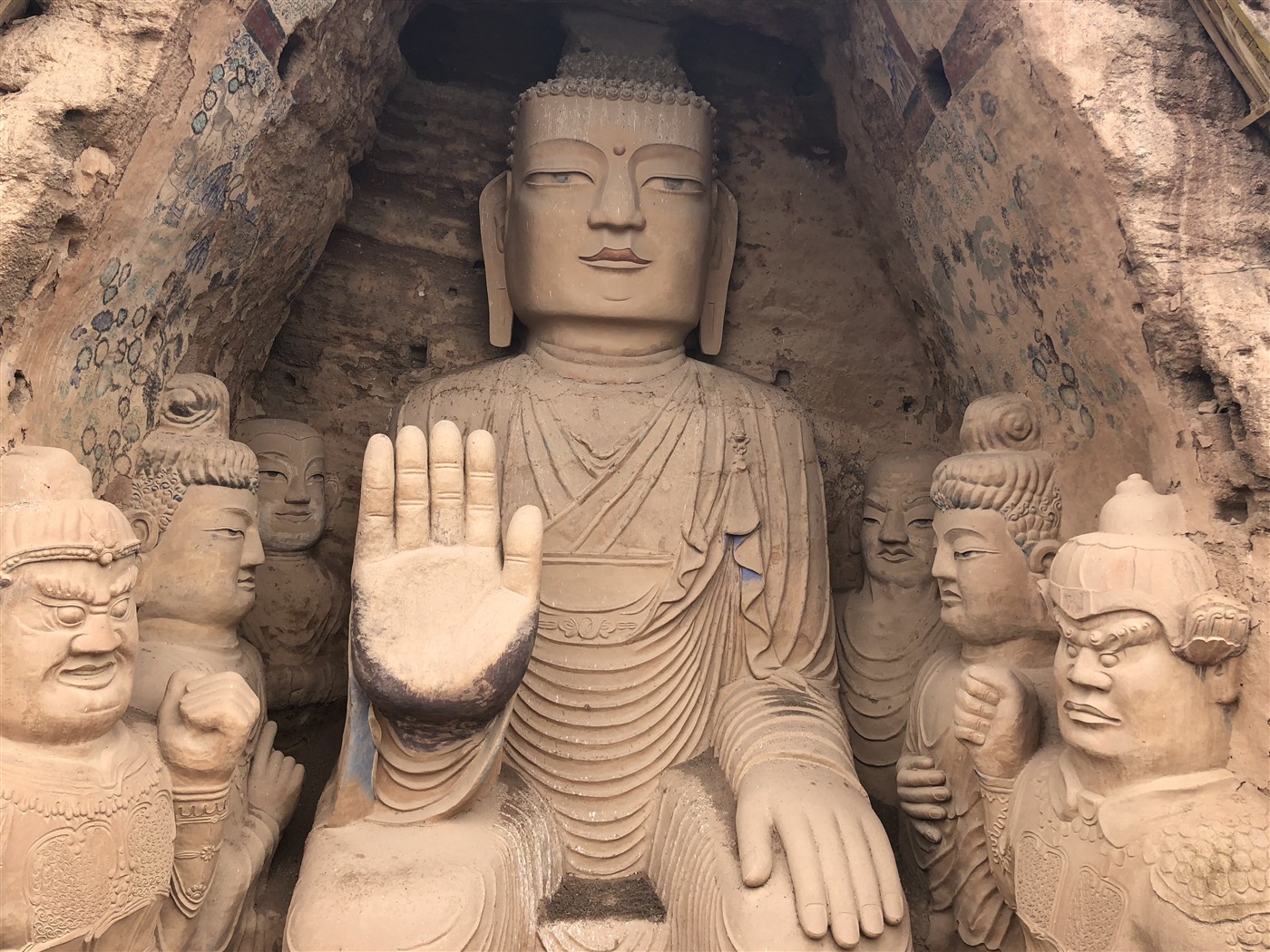
Tiantishan Grottoes

Tiantishan Grottoes

Allow half a day to a full day including travel. Distinguish the rock-cut space, modelled figures, carving and murals. Tiantishan is important for understanding the Liangzhou tradition of early northern Buddhist cave art.

Sketch the relationship between the cliff, cave and figures. Record three details and consider how materials, climate and technique interact.

Day 2 | Writing, education and objects

Western Xia Museum

Western Xia Museum

Begin the second morning with the Western Xia stele and its Chinese and Tangut texts. Explore connections between writing, religion and the city. Objects on display may change.

Record three written forms without guessing their meaning. For objects such as the bronze cannon, note the date and function on the label; separate evidence from speculation.

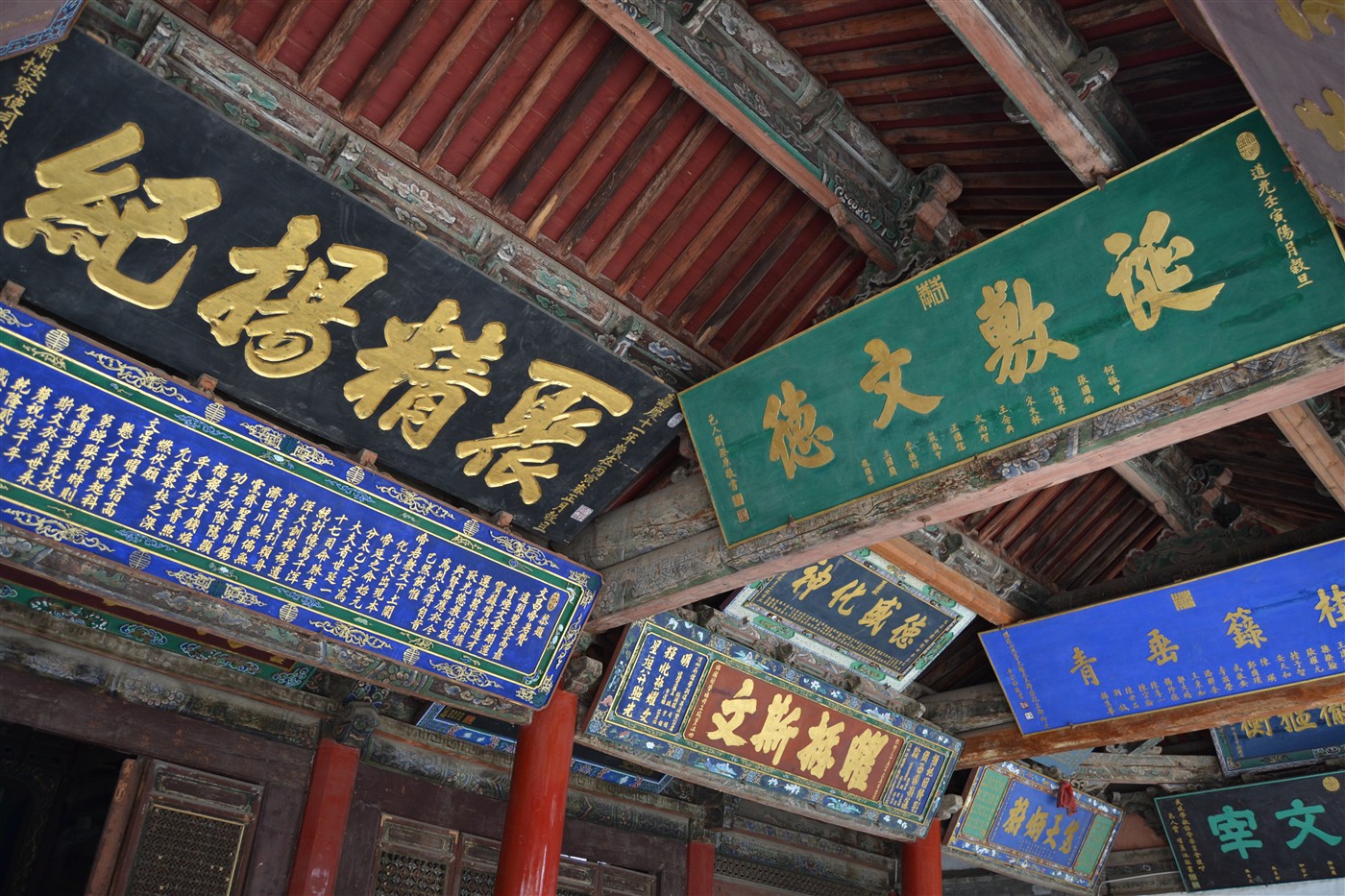
Wuwei Confucian Temple

Wuwei Confucian Temple

Visit alongside the Western Xia Museum. Study the courtyards, plaques and central axis as evidence of education and ritual.

Choose one plaque and discuss its view of learning. Compare it with a classroom today.

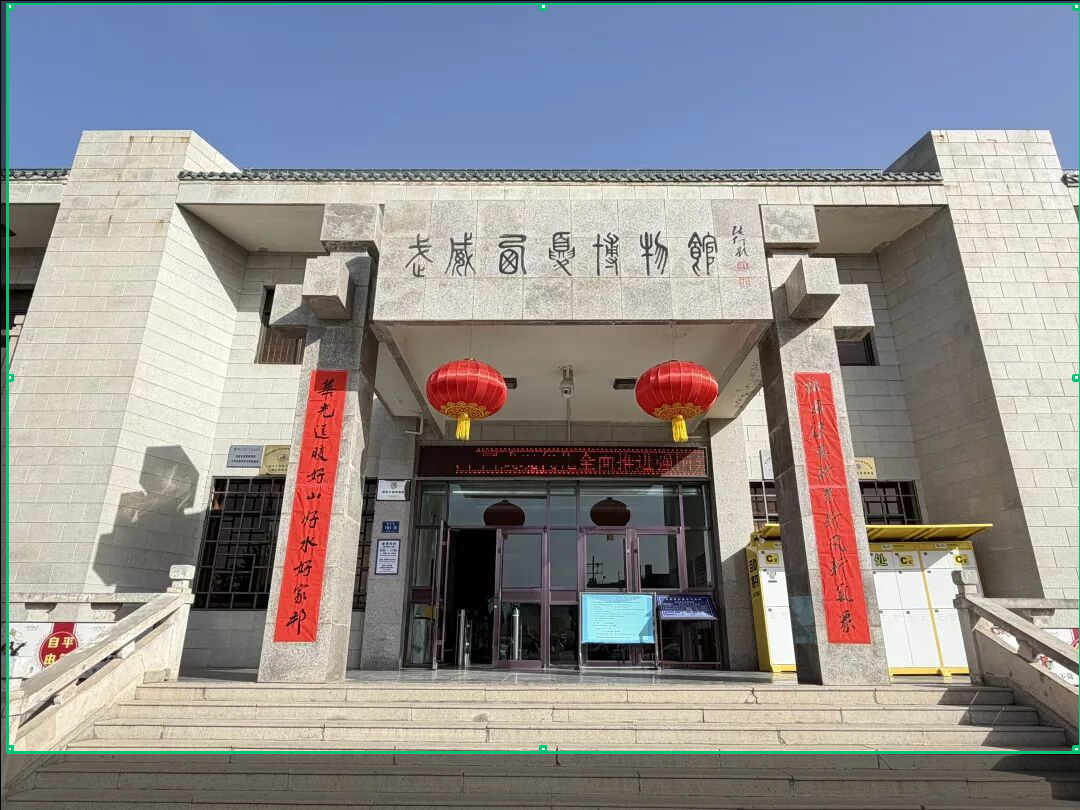
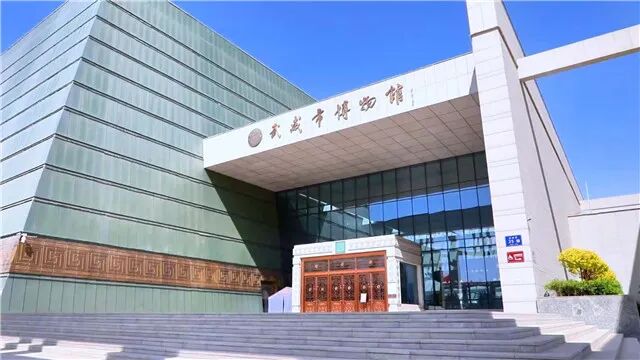
Wuwei Museum exterior

Wuwei Museum

Allow two to three hours in the afternoon. Use Han walking-staff records, the painted wooden dove and Western Xia printing as themes; confirm actual displays with the museum.

Make a timeline from the Han to Western Xia. How do written records and objects help explain respect for older people?

Day 3 | The Liangzhou meeting

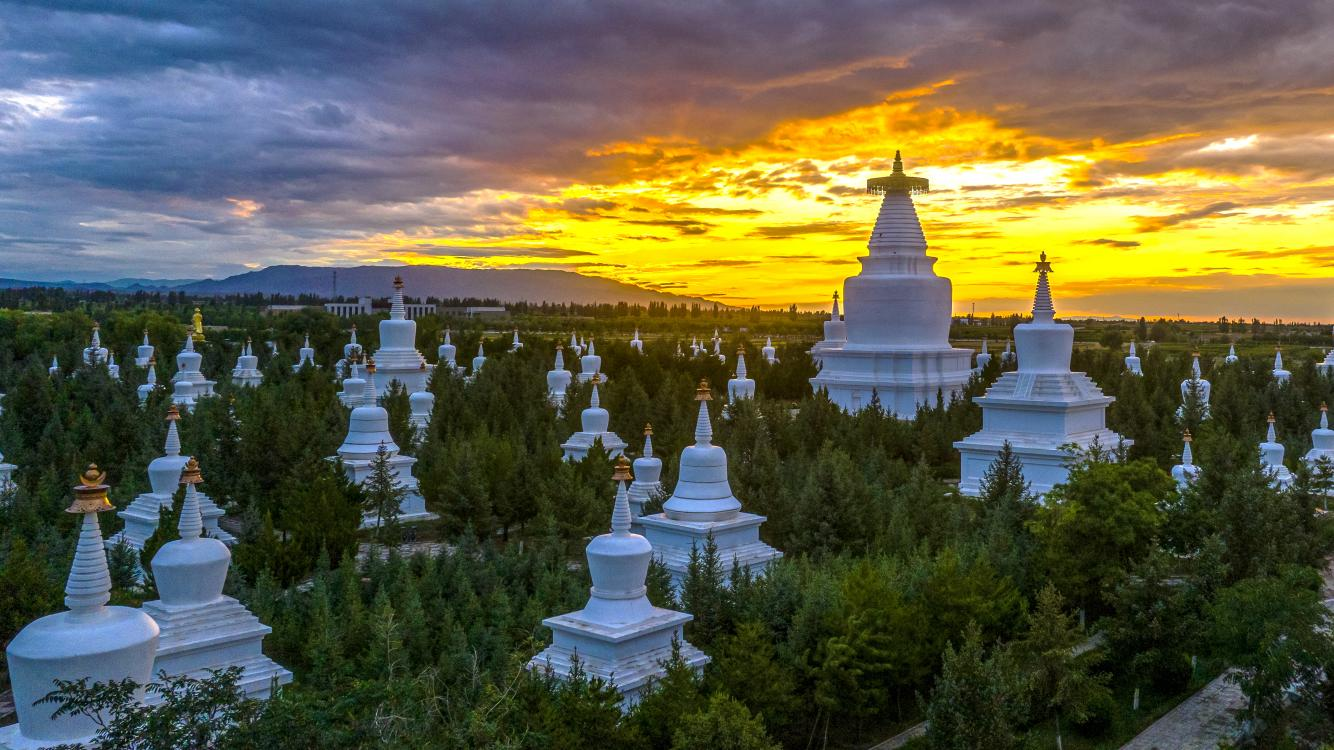
Baita Temple at sunset

Baita Temple

Combine Baita and the memorial on the third morning, allowing half a day including travel. Distinguish surviving remains, reconstructed buildings and modern displays.

Record one architectural detail where photography is allowed. What does it show, and what can it not prove?

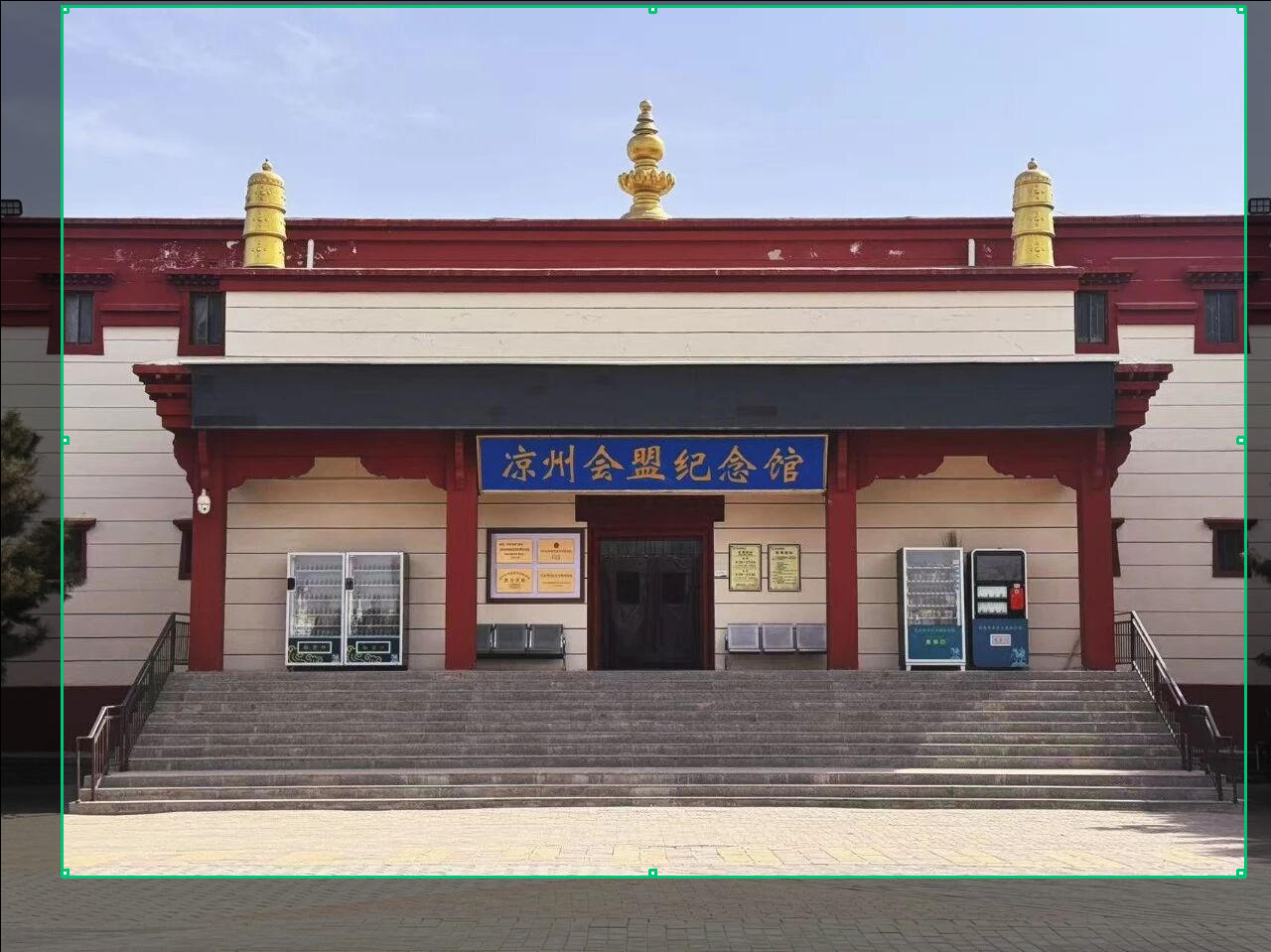
Liangzhou Alliance Memorial

Liangzhou Alliance Memorial

Study the 1247 meeting between Sakya Pandita and Godan as an important event in relations between Tibet and the Mongol polity. Separate background, participants and later developments.

Complete a four-part record: context, people, meeting and consequences. Share one finding supported by evidence.

Why is Tiantishan called an origin of grotto art if Kizil is earlier?

Chronological priority and artistic influence are different. Kizil represents early Kucha cave traditions. The Liangzhou tradition associated with Tiantishan influenced northern cave construction east of Xinjiang; this does not make it the oldest cave site in China. Compare Kucha, Liangzhou, Pingcheng (Yungang), Luoyang (Longmen) and Sichuan–Chongqing without treating them as five rigid successive periods.

Preparation and care

Bring a notebook, drinking water, sun protection and a jacket. Plan breaks for the age group. Do not touch figures or use flash against site rules. Any playful perspective photo must be taken from permitted areas without touching antiquities. Reservoir levels vary with water conditions and management; an October visit does not guarantee water around the Buddha. Leave time for a local meal and family discussion.

Ask about a study trip
References